NY Climate Week, New York, NY
From Wildfire Risk to Community Resilience: Financing and Delivering System-Scale Solutions
September 21, 2026
Session Summary
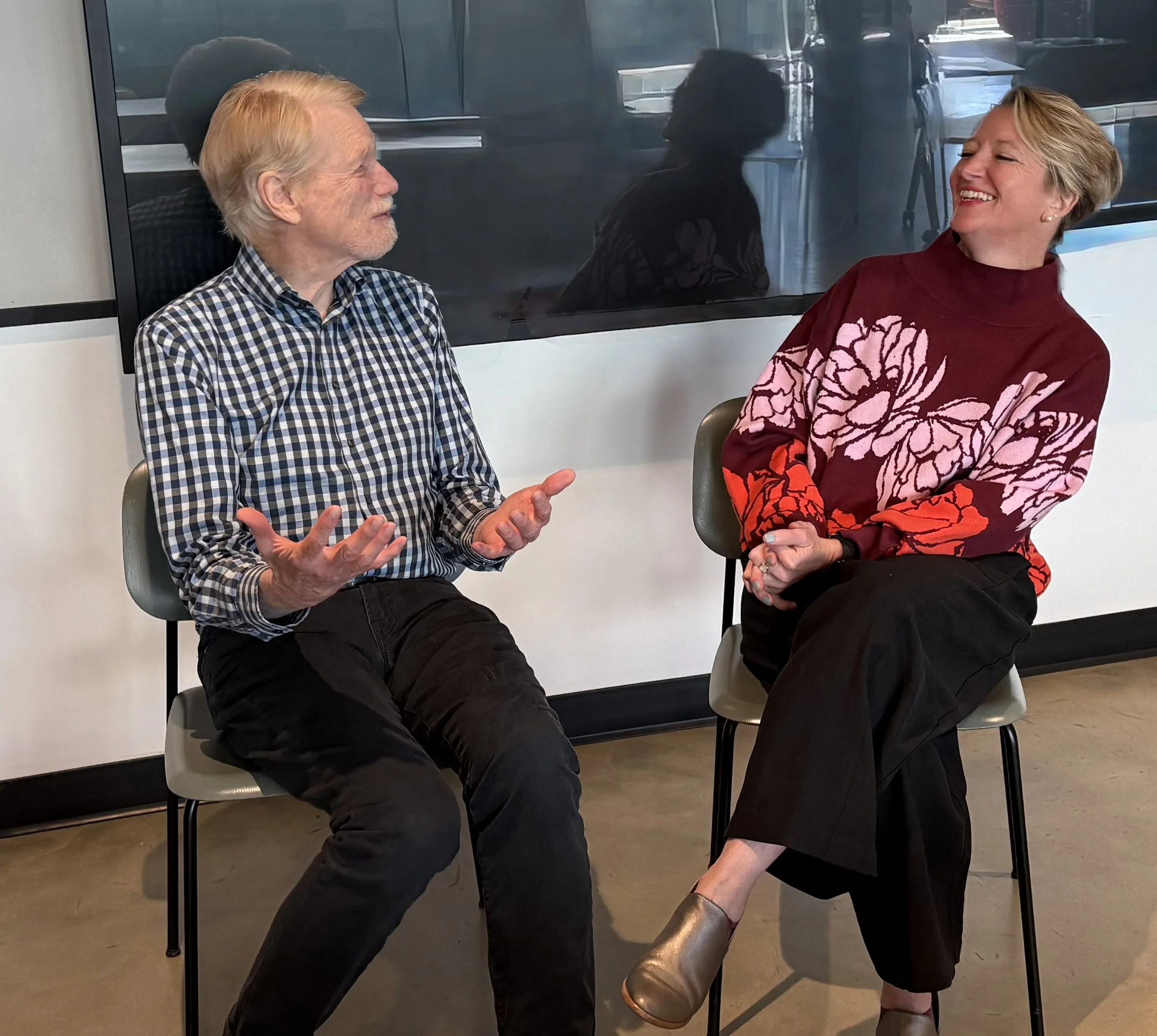
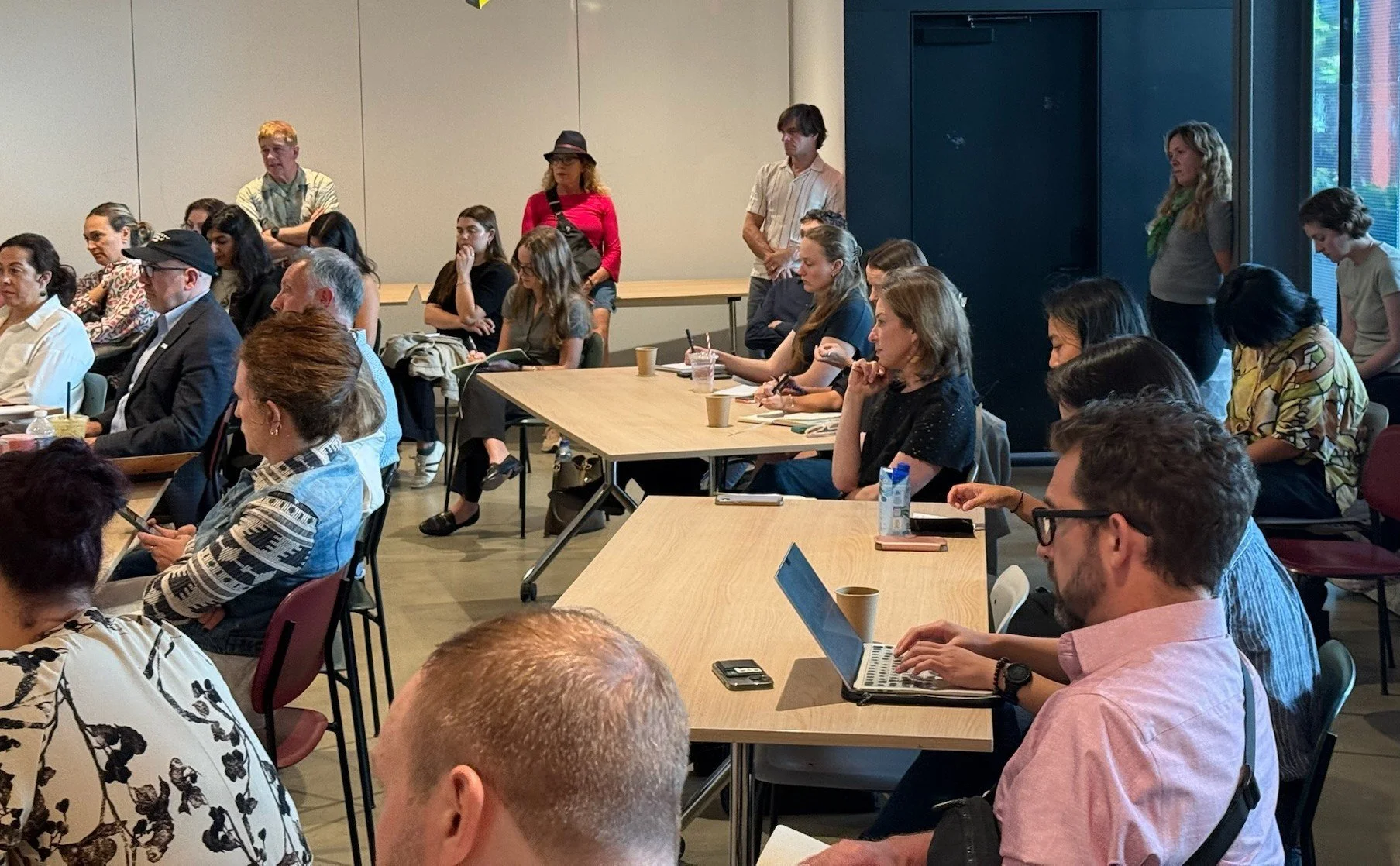
Innovera at Climate Week NYC
From Wildfire Risk to Community Resilience: Financing and Delivering System-Scale Solutions
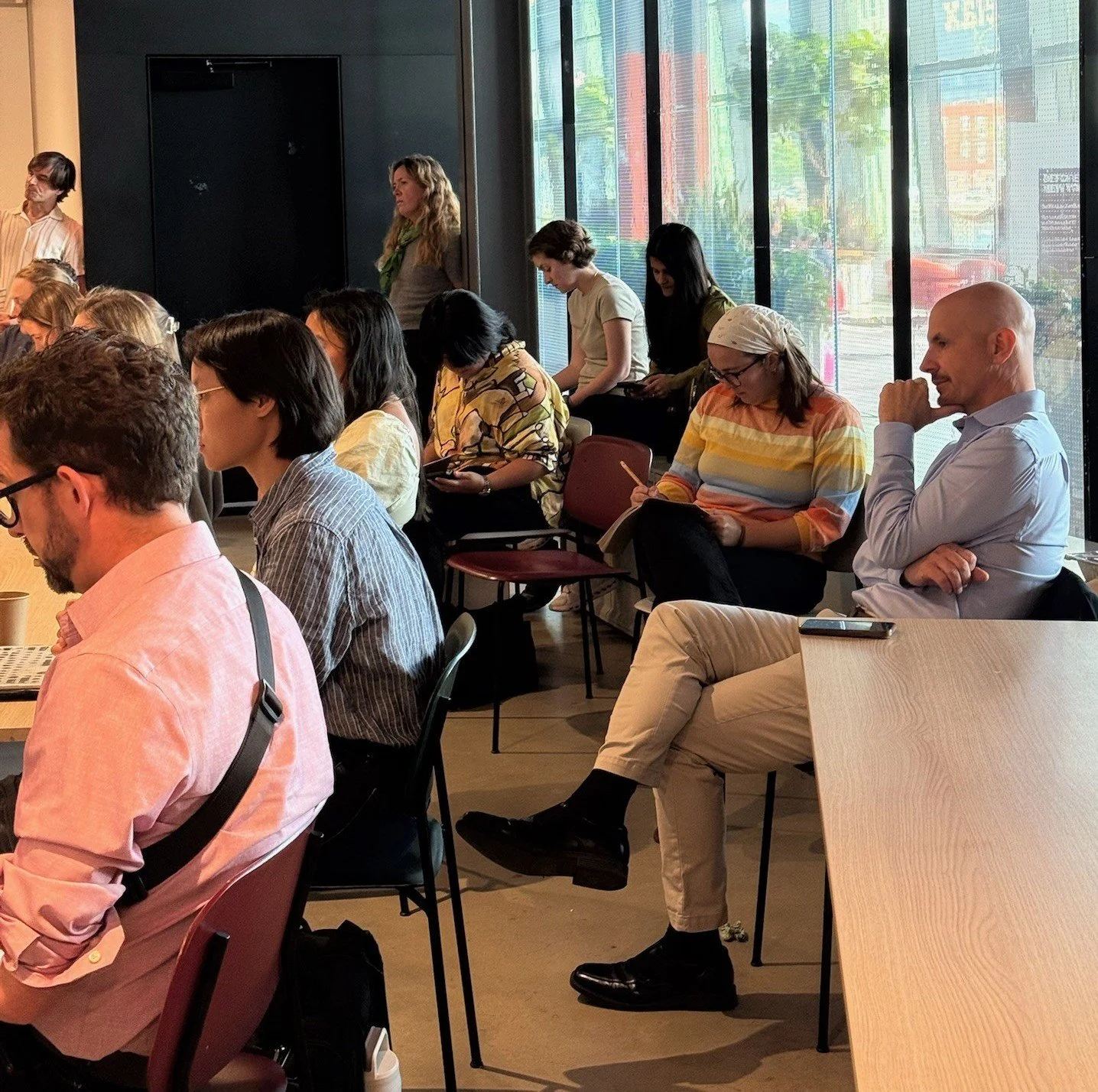
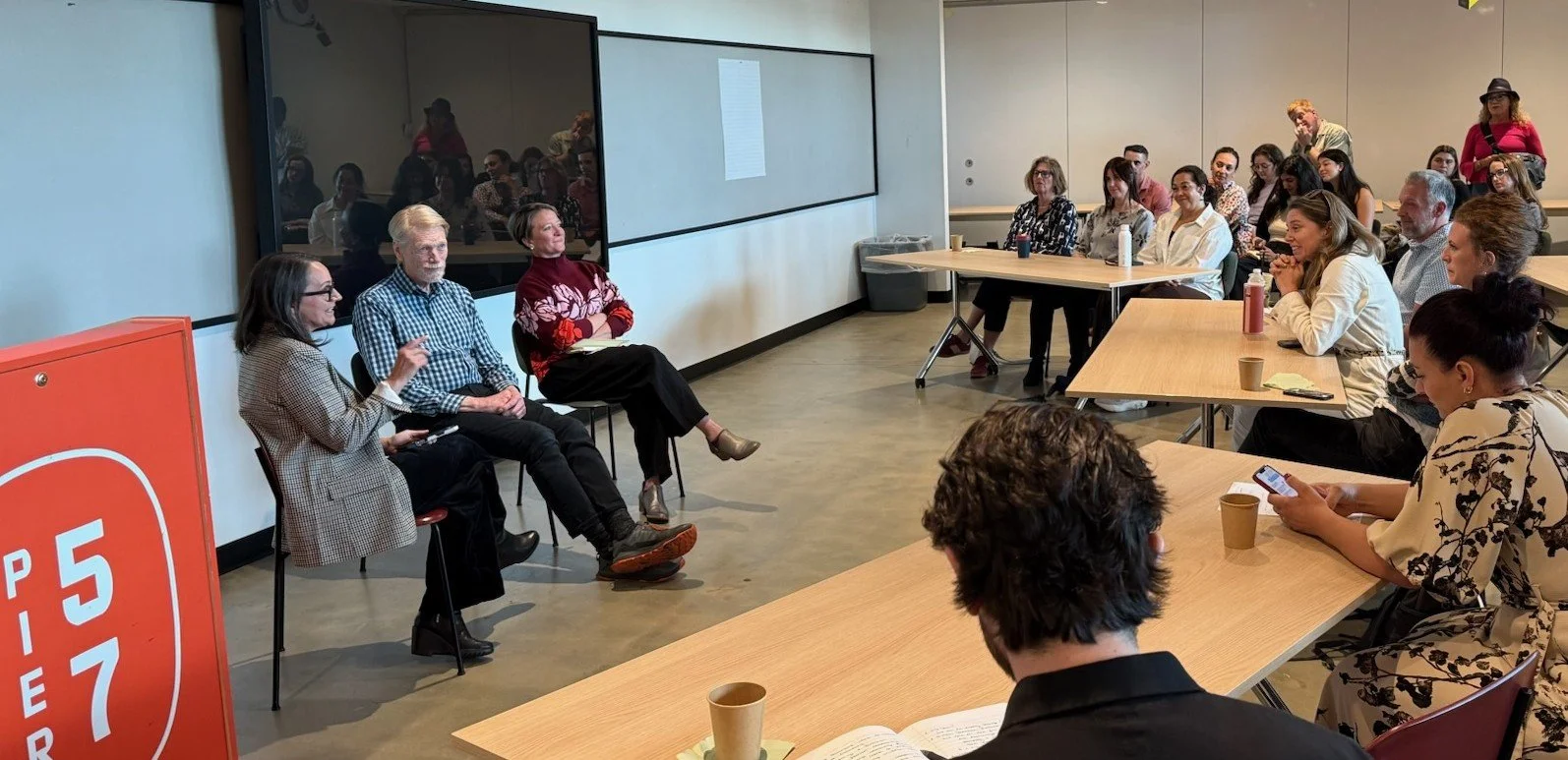
During Climate Week NYC, Innovera, California Forward, Buckminster Fuller Institute, and the Financial Women’s Association of New York convened a conversation on how innovative financing can help communities prepare for growing physical climate risks, with a focus on wildfire.
The discussion explored how communities can move beyond responding to disasters toward proactively reducing risk, strengthening infrastructure, and investing in resilience. for a conversation centered on a key question: What will it take to finance and deliver community-scale resilience?
Opening Remarks
Sara Blenkhorn, Director of Innovation, Buckminster Fuller Institute
Albana Theka, President, Financial Women’s Association
Speakers
Gifford Pinchot III, Senior Fellow at Innovera
Nuin-Tara Key, Chief Operating Officer of California Forward
Stephanie Glazer, Managing Director of Innovera
Discussion Highlights
Wildfire risk is changing.
The conversation examined how climate change, historical fire suppression, accumulated fuel loads, altered forest conditions, and development patterns are interacting to create hotter, faster-moving, and more destructive fires. Different types of fire create different risks, from extreme fires that can generate their own weather to fast-moving grass and brush fires that can cause significant losses to homes and communities.
Resilience requires both prevention and preparedness.
Some fires cannot be safely or effectively extinguished. Communities therefore need strategies that reduce the likelihood and severity of loss while also preparing people to evacuate safely, protect life, and return and rebuild in ways that are better adapted to future fire conditions. Strategies discussed included home hardening, fuel management, prescribed and planned fire, strategically designed fire breaks, landscape restoration, and productive uses for materials generated through forest treatments.
The financing challenge is fundamentally about collective action.
Wildfire does not respect property or jurisdictional boundaries, yet much of the responsibility for resilience investment remains fragmented. The discussion explored how public funding, private capital, insurance, blended finance, loan-loss reserves, resilience districts, and other mechanisms could help mobilize investment in projects whose benefits extend beyond individual properties.
A central question was how to better recognize and finance the value of avoided loss: the home that does not burn, the business that remains open, or the infrastructure that continues to function. Doing so could help shift resilience from being viewed primarily as a cost to being understood as an investment.
Wildfire risk can be influenced through action.
The session highlighted an important opportunity: wildfire is a climate-related risk where actions taken today can directly influence future outcomes. The challenge is creating the policy, financing, and governance environment that enables effective solutions to be implemented at the scale required.
Community-scale resilience requires new structures for ownership, risk, and value.
The conversation raised questions that extend beyond wildfire: Who owns the infrastructure? Who bears the risk? Who receives the value created by investment? How should revenue be structured? And how can community benefits be made durable?
These same questions are central to Innovera’s CIRCLE Framework: Connected Infrastructure for Resilient Communities & Local Economies. CIRCLE is developing the financial, legal, ownership, and governance structures needed to make community-beneficial infrastructure investable and replicable. The framework focuses on practical tools and novel legal instruments that clarify who owns assets, who bears risk, who receives value, and how revenue and community benefits are structured and sustained over time. By connecting infrastructure investment with local economic, social, and resilience outcomes, CIRCLE aims to help communities move from being recipients of infrastructure to active participants in its ownership, value creation, and long-term benefit.
Looking Ahead
Innovera will continue this work through CIRCLE working groups, bringing together people across finance, infrastructure, insurance, community development, policy, and resilience to develop and pressure-test practical models for community-beneficial investment.
Interested in participating? We are actively seeking expressions of interest from participants to join a balanced, cross-disciplinary team focused on turning the CIRCLE framework into actionable toolkits and novel legal instruments that transform infrastructure projects from community burdens into community benefits. Register your interest in joining the CIRCLE Working Groups: CIRCLE Expression of Interest